
Anti-Doping & Medical Portal

Anti-Doping Rules
Read the official anti-doping rules and compliance guidelines. Stay informed on clean sport regulations, athlete rights, and responsibilities.
TUEs
Learn how to apply for a Therapeutic Use Exemption (TUE). Access official guidelines, eligibility criteria, and application forms for permitted medical use.
Prohibited list
Access the official WADA Prohibited List. Find direct links to the latest list of banned substances and methods to ensure compliance and clean sport.

Asthma Medication & Supplements
Access official guidelines on asthma medications and nutritional supplements. Ensure your treatments and dietary choices comply with anti-doping rules.
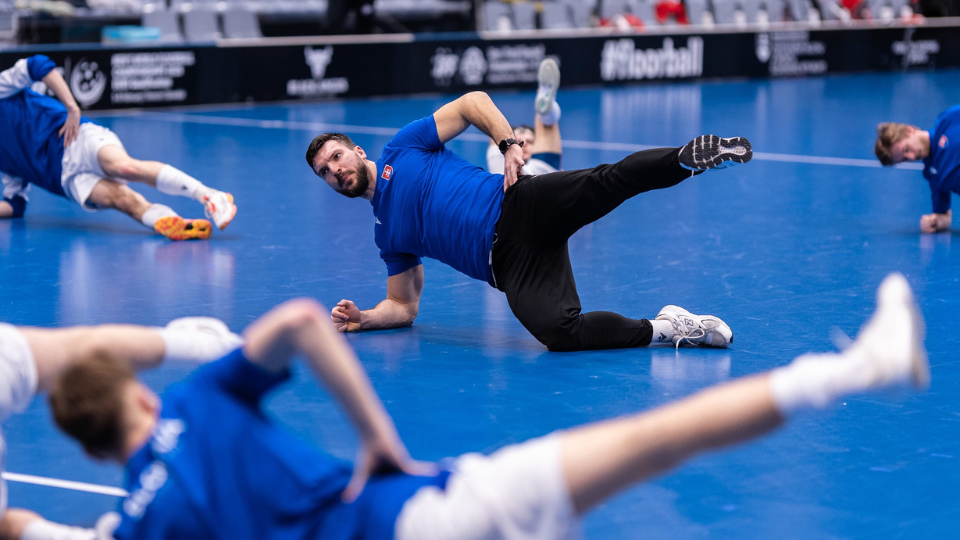
Information and education
Discover anti-doping educational programs, resources, and essential information to support clean sport and fair play at all levels.
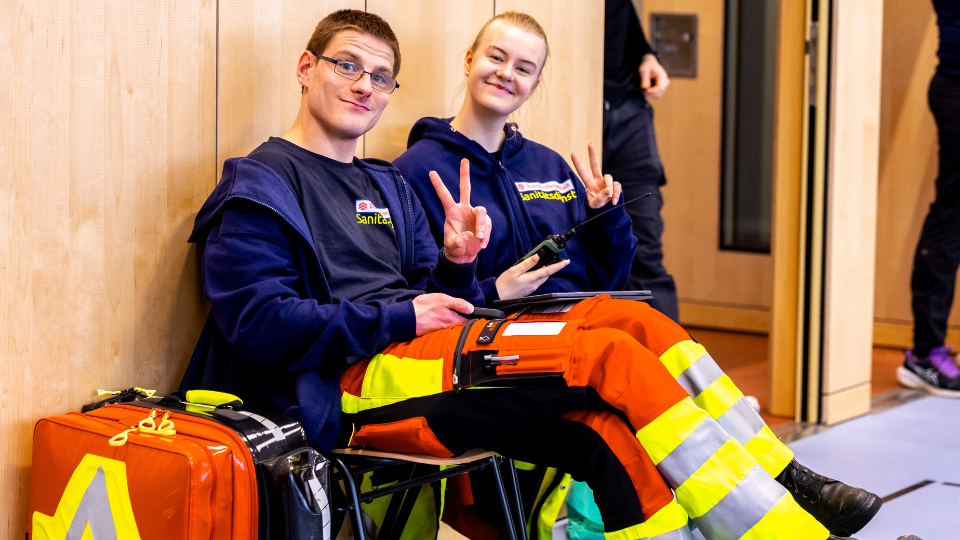
Injury Assessment
Learn about injury assessment in floorball. Discover the history of IFF statistics since 2012, view the first international tournament study, and download the reporting form.
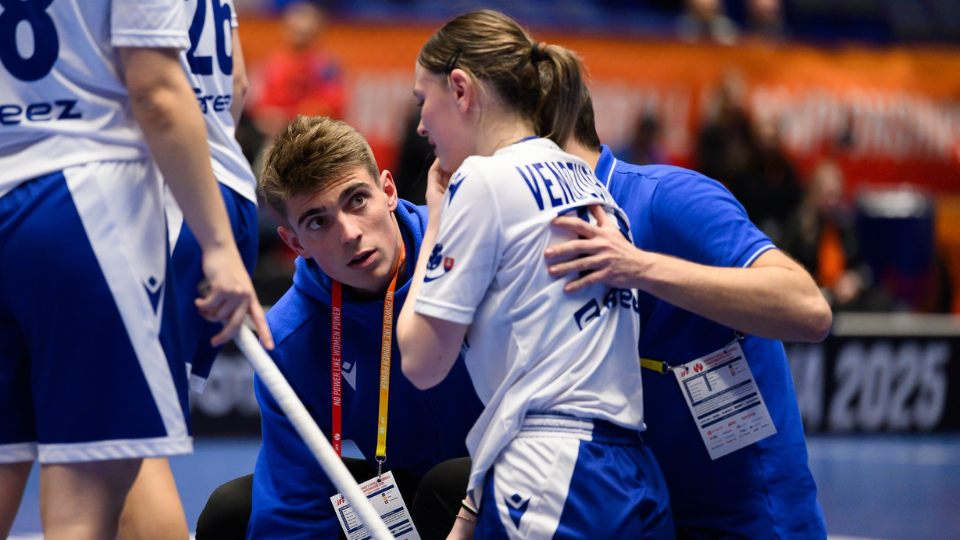
Medical Guidelines
Access the official IFF floorball concussion guidelines. Learn how to recognise and manage head injuries safely, and link directly to our injury assessment data.
Anti-Doping
The IFF is committed to clean sport and the IFF Anti-Doping Programme includes prevention strategies including detection-deterrence methods such as testing and investigations, but also information and education.
The World Anti-Doping Code (the “Code”) is the fundamental and universal document upon which the World Anti-Doping Programme is based. The purpose of the Code is to advance the anti-doping effort through universal harmonisation of core anti-doping elements. IFF signed the World Anti-Doping Code in 2003. The IFF Anti-Doping Rules 2021 were adopted by the IFF Central Board on 4th of September 2020 and came into force on 1st of January 2021
Medical
The IFF also focuses on medical issues in floorball and the IFF Medical Committee produces medical documents for the floorball community such as concussion guidelines. In addition, the IFF collects injury data from the major IFF Events. The aim is to define injury risks not only by collecting important epidemiological information, but also by gaining direction for injury prevention and comparing injury statistics in floorball with other sports.
The Anti-doping programmes seek to preserve what is intrinsically valuable about sport. The spirit of sport is the celebration of the human spirit, body and mind, and is reflected in values we find in and through sport, including:
- Ethics, fair play and honesty
- Health
- Excellence in performance
- Character and education
- Fun and joy
- Teamwork
- Dedication and commitment
- Respect for rules and laws
- Respect for self and other Participants
- Courage
- Community and solidarity
Doping is fundamentally contrary to the spirit of sport
What is Doping?
Doping is defined as the occurrence of one or more of the following Anti-Doping Rule Violations (ADRVs):
- Presence of a prohibited substance in an athlete’s sample
- Use or attempted use of a prohibited substance or method
- Refusing to submit to sample collection after being notified
- Failure to file athlete whereabouts information and missed tests
- Tampering with any part of the doping control process
- Processing of a prohibited substance or method
- Trafficking a prohibited substance or method
- Administering or attempting to administer a prohibited substance or method to an athlete
- Complicity in an ADRV
- Prohibited association with athlete support personnel who has engaged in doping
Why is doping in sport prohibited?
The use of doping substances or doping methods to enhance performance is fundamentally wrong and is detrimental to the overall spirit of sport. Drug misuse can be harmful to an athlete’s health and to other athletes competing in the sport. It severely damages the integrity, image and value of sport, whether or not the motivation to use drugs is to improve performance. To achieve integrity and fairness in sport, a commitment to clean sport is critical.