Anti-Doping Information & Education
Basic Principle and Primary Goal
The basic principle for information and education programmes for doping-free sport is to preserve the spirit of sport, as described in the introduction to the World Anti-Doping Code, from being undermined by doping. The primary goal of the IFF Anti-Doping education and information programmes is prevention.
IFF Anti-Doping Education
The aim of the IFF anti-doping education programme is that the players first experience with anti-doping should be through information and education, rather than doping control. The IFF’s anti-doping education programme approach requires cooperation with the national anti-doping organisations in order for the athletes to primarily receive anti-doping education in their own language from the national anti-doping organisation or national association. In addition, E-learning programmes are utilised.
IFF Education Pool & content 2022
The IFF’s current focus is on educating the younger athletes (U19) and new teams entering the major IFF Events. These priority groups are included in the IFF Education Pool. The Education Programmes shall incorporate the following components: values-based education, awareness raising, information provision and anti-doping education and include at least the following topics: principles and values associated with clean sport, principle of strict liability, consequences of doping, anti-doping rule violations, substances and methods on the Prohibited List, risks of supplement use, use of medications and Therapeutic Use Exemptions, Testing procedures & Testing pools.
Access the IFF_Anti_Doping_Education_Plan_2022
Anti-Doping Information & Education Material
ADEL – WADA’s Anti-doping and Learning platform. In addition to ADEL for International-level athletes the platform includes education and learning opportunities for the anti-doping community worldwide; including: athletes, coaches, parents, medical professionals and more (requires registration).
Examples of e-learning programmes launched by National Anti-Doping Organisations:
- Swiss NADO Clean Winner (available in French, German and Italian)
- Finnish NADO Puhtaasti Paras (available in Finnish)
- Swedish NADO Ren Vinnare (available in Swedish and English)
- Norwegian NADO Ren Utøver (available in Norwegian and English)
- Danish NADO Ren Vinder (available in Danish)
- Australian NADO Level 1 & Level 2 eLearning course (available in English)
- New Zealand NADO Level 1 & Level 2 eLearning course (available in English)
- German NADO eLearning course (available in German)
- Russian NADO eLearning course (available in Russian)
ADEL for High Performance Coaches – WADA has created CoachTrue to assist anti-doping organisations in providing anti-doping education to coaches.
WADA Education Tools – A summary page of different WADA education tools.
WADA Play True Quiz – Interactive computer game that tests athletes‘ knowledge about anti-doping produced by WADA. The Quiz is currently available in 36 languages.
Say NO! to Doping – Anti-Doping awareness campaign for organisations launched by WADA. The IFF Say NO! to Doping campaign has been run in some of the major IFF Events since 2010.
FairFloorball – The campaign aims to encourage everyone to act responsibly. The foundation, fair, derives from IFF values and emphasizes many points from IFF sustainability programs.
Outreach – WADA has created the Outreach Model in an effort to provide stakeholders with the tools necessary to deliver their own outreach activities. The IFF Outreach program will be run in some of the IFF Events.
More helpful Anti-Doping resources
IFF Supplement information – provides basic information about the risks associated with nutritional supplements
Global Drug Reference Online (Global DRO) provides athletes and support personnel with information about the prohibited status of specific medications based on the current World Anti-Doping Agency (WADA) Prohibited List.
Informed-sport.com – A quality assurance programme for sports nutrition products, suppliers to the sports nutrition industry, and supplement manufacturing facilities.
ConsumerLab.com – Supplement information and reviews.
National Anti-Doping Organisations (NADOs) – WADA web page with information about NADOs.
* Athletes are responsible for anything found in their system and supplements are never 100% safe.
For more information please contact antidoping(@)floorball.sport
WADA has published Leaflets and a Doping Control video in many languages that provide a step-by-step description of the doping control process. The materials are found on the WADA website: www.wada-ama.org/en/resources/collections
Doping control video:
An athlete runs very high risks by consuming doping substances or by using prohibited methods. This may result in very severe health but also sporting, financial, legal and social consequences.
Physical and Mental Health
Physical health: depending on the substance, the dosage and the consumption frequency, doping products may have particularly negative side effects on health. Some damages for the body are irreversible and may lead that the athlete’s life be in great danger.
Psychological health: some doping substances may not be detrimental to the body but exercise an impact on mental health. It has been scientifically evidenced that anxiety, obsessive disorders or psychosis are direct consequences from doping.
Social consequences
The existence of an athlete who was held guilty for doping may be completely disrupted. Indeed, doping may represent a danger for the health, but it may also be prejudicial to the fame, respect and creditworthiness. Even in the future negative findings are regularly questioned by the media and the entourage. The poor image will remain in the collective unconscious and the athlete could remain isolated.
Financial consequences
As regards high-performance sport, an infringement of anti-doping rules often leads to a loss of income, the reimbursement of prize moneys and of the sponsorship money. An athlete suspended for several years, or even life-banned, cannot earn his/her living as usual and can even be forced into debt to live on a day-to-day basis.
Sporting consequences
A doping violation may mean loss of results, rankings, medals and qualification places at events. It could also have an impact on members of a team causing medals to be lost.
Legal consequences
Doping may have major legal consequences. A doped athlete may be suspended, i.e. he/she may not take part in sport competition or in organized training sessions.
Anti-Doping Information & Education news
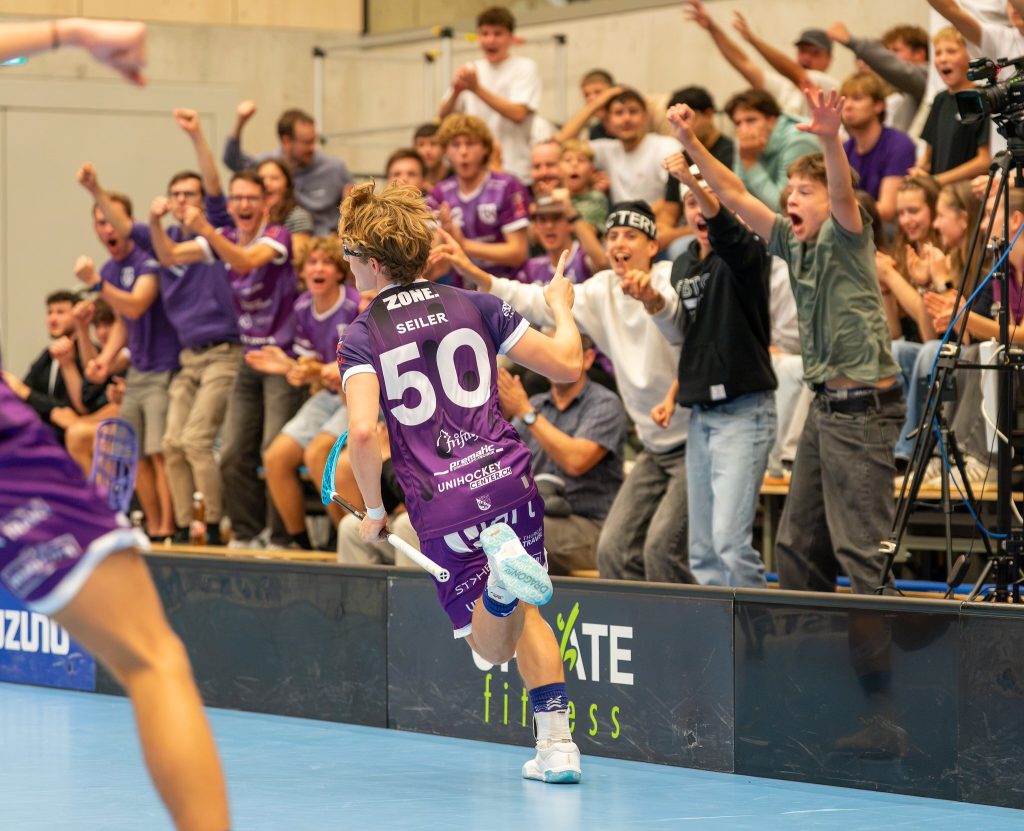
Swiss and Czech Giants Clash: High-Stakes Drama in the Southern Conference Quarter-Finals
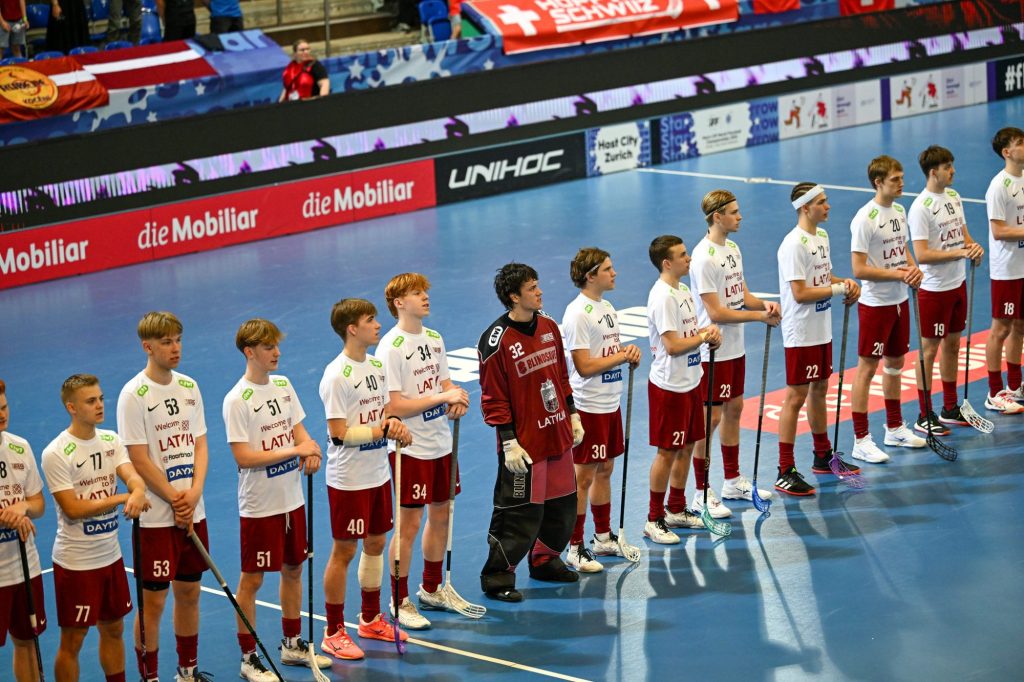
Men’s U19 WFC 2027 Match schedule published
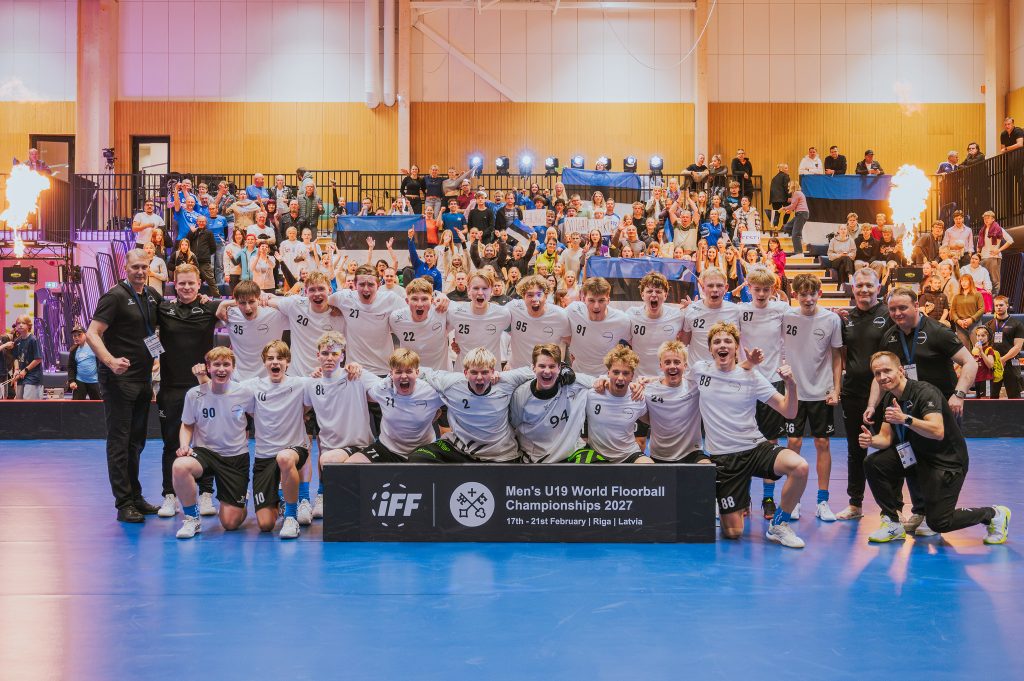
Men’s U19 World Floorball Championships 2027: Final Qualification Spots Confirmed
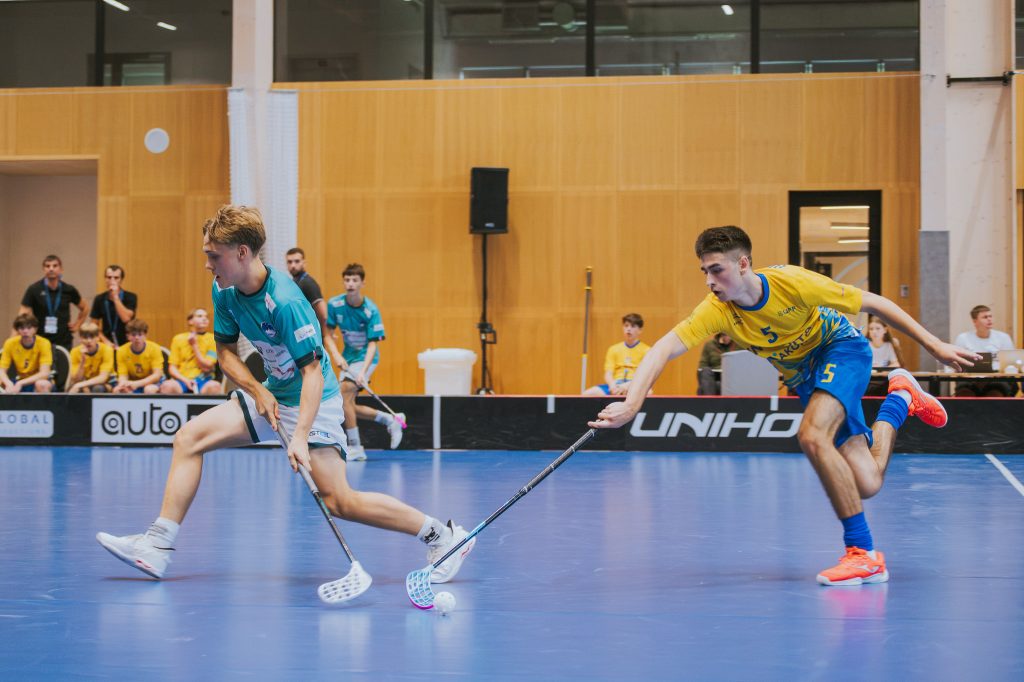
Men’s U19 WFCQ EUR2, Event Disciplinary Function, FINAL DECISION, Luka Stepanyuk (Ukraine)
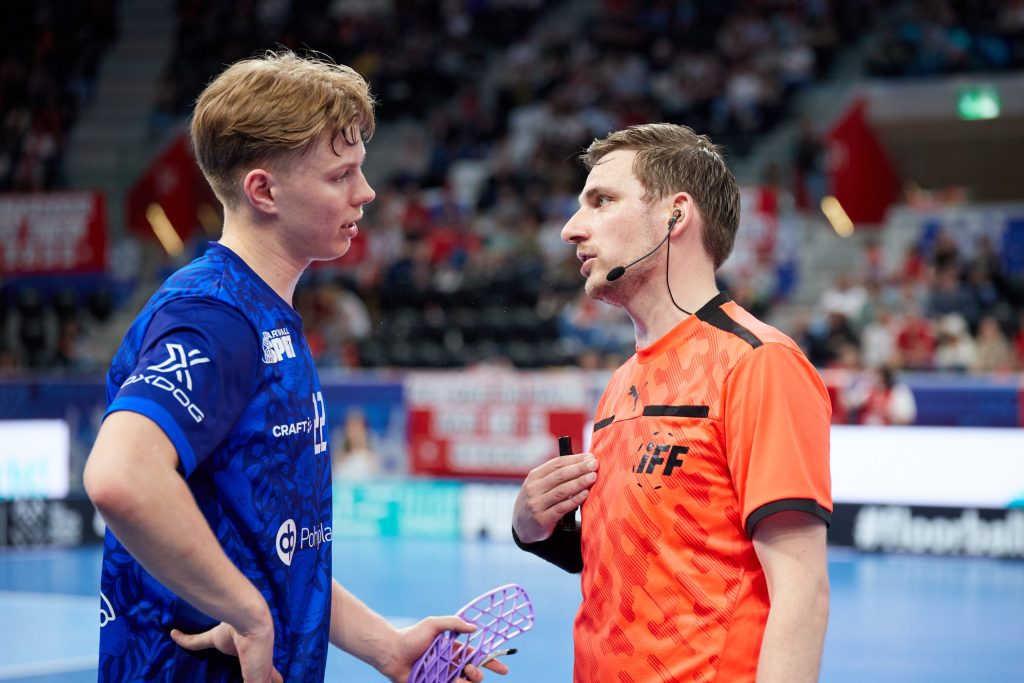
Match officials confirmed for 2026 Men’s World Floorball Championships
How to follow the Men’s U19 WFCQ EUR2 2027